The reversible phase
I study the molecular events that precede overt degeneration—the interval in which stressed neurons have begun to change, but their trajectory may not yet be fixed.
Early events · state transitionsNeurodegeneration · Mitochondrial biology · Neuronal resilience
Dr. rer. nat.
Principal Investigator
Institute of Developmental Biology and Neurobiology (iDN)
Johannes Gutenberg University Mainz
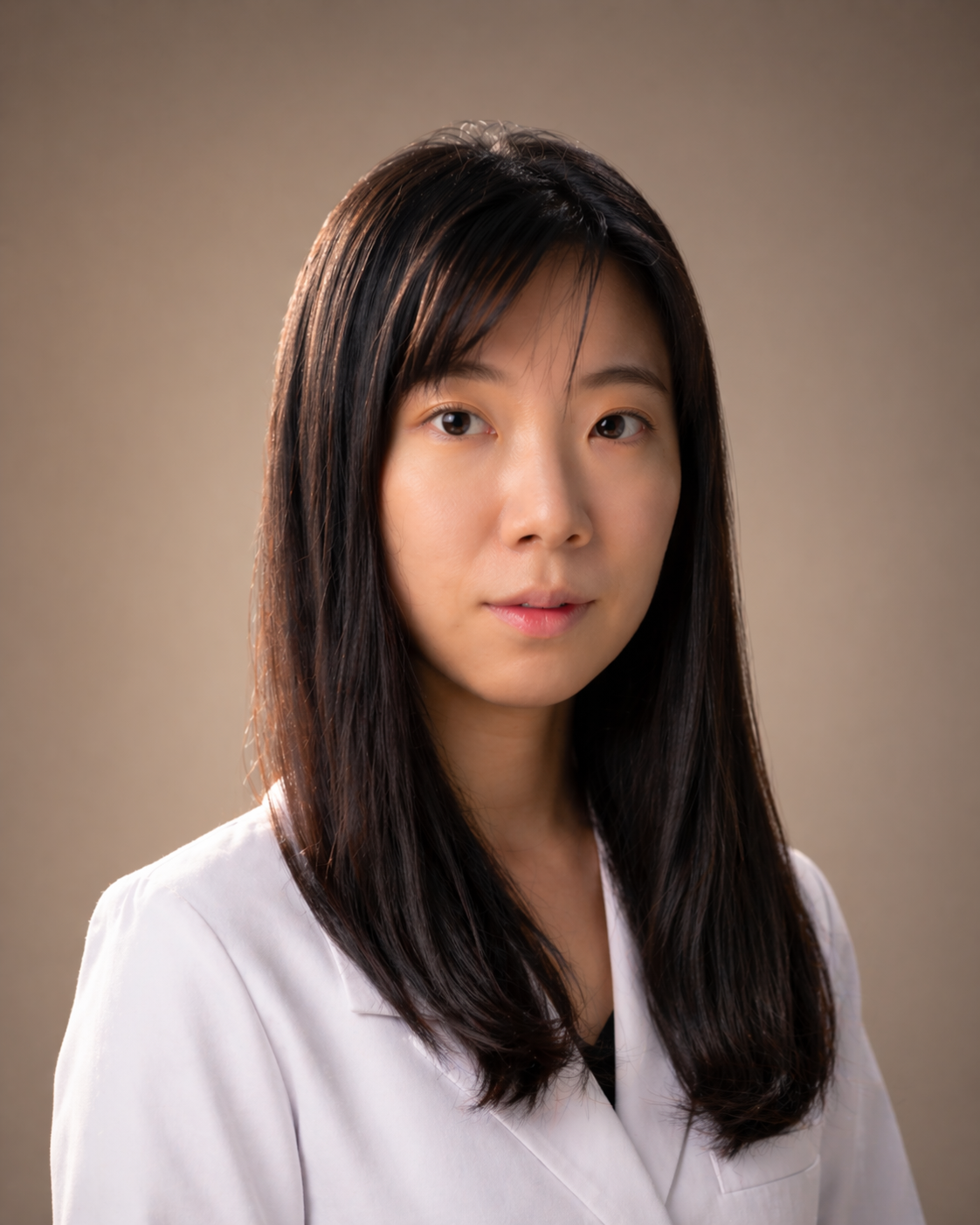
Neurons are among the most specialized cells in the body—and among the least replaceable. By the time neurodegeneration becomes detectable, the underlying process is often already far advanced: functional loss and cellular collapse are its aftermath. My research therefore focuses on the earliest molecular events that push neurons from functional stress toward irreversible decline—and on whether those events can still be reversed.
Current questions
I study the molecular events that precede overt degeneration—the interval in which stressed neurons have begun to change, but their trajectory may not yet be fixed.
Early events · state transitionsThe same biological risk does not always lead to the same outcome. I am interested in reduced penetrance—and in the hidden biological states that may help explain why some individuals develop disease while others remain unaffected.
Reduced penetrance · resilience · variable outcomesSmall in scale but central to cellular life, mitochondria are endlessly fascinating. I am broadly interested in mitochondrial biology—how these dynamic organelles sense, adapt, and shape the state of the cell.
Mitochondrial biology · dynamics · adaptationSelected work
* Equal contribution# Corresponding author
Zhang L*, Schmidt F*, Yasar F, et al. The fruitfly Drosophila melanogaster as an in vivo model of ferroptosis. Redox Biology, 104418.
Zhang L*, Pouya A*, Kopetzky J*, et al. Increased BNIP3-mediated mitophagy attenuates GDAP1 loss of function—implications for Charcot–Marie–Tooth disease 4A. Neurobiology of Disease 213, 107019.
Bitar S, Baumann T, Weber C, et al., Zhang L#, Methner A#. Iron-sulfur cluster loss in mitochondrial CISD1 mediates PINK1 loss-of-function phenotypes. eLife 13:e97027.
Zhang L*, Dietsche F*, Seitaj B*, et al. TMBIM5 loss of function alters mitochondrial matrix ion homeostasis and causes a skeletal myopathy. Life Science Alliance 5:e202201478.
Comment Dietsche F, Zhang L, Elrod JW, Methner A. MICU1 opens the gates to cold-induced death. Cell Calcium 98, 102451.
Zhang L, Buhr S, Voigt A, Methner A. The evolutionary conserved TMBIM family members 5 and 6 are essential for the development and survival of Drosophila melanogaster. Frontiers in Cell and Developmental Biology 9:666484.
Seitaj B*, Maull F*, Zhang L, et al. TMBIM5 sustains mitochondrial structure, shape, and function by impacting the mitochondrial protein synthesis machinery. Cells 9:2147.
Picchiarelli G*, Demestre M*, Zuko A, et al., Zhang L, et al. FUS-mediated regulation of acetylcholine receptor transcription at neuromuscular junctions is compromised in amyotrophic lateral sclerosis. Nature Neuroscience 22, 1793–1805.
Mallik M, Catinozzi M, Hug CB, Zhang L, et al. Xrp1 genetically interacts with the ALS-associated FUS orthologue caz and mediates its toxicity. Journal of Cell Biology 217, 3947–3964.
Navarro JA, Heßner S, Yenisetti SC, et al., Zhang L, et al. Analysis of dopaminergic neuronal dysfunction in genetic and toxin-induced models of Parkinson's disease in Drosophila. Journal of Neurochemistry 131, 369–382.
Zhang L, Karsten P, Hamm S, et al. TRAP1 rescues PINK1 loss-of-function phenotypes. Human Molecular Genetics 22, 2829–2841.
Scientific path
A present-to-past view—from an independent research line in Mainz back to scientific foundations in China.
Independent research line
Early mechanisms & neuronal resilience
Visiting scholar
Mitochondrial calcium clamp
Postdoctoral research
Mitochondrial ion homeostasis & ferroptosis
Postdoctoral research
ALS-linked FUS models
Dr. rer. nat.
Mitochondria in Parkinson’s disease
Bavarian Elite Network M.Sc.
Experimental & Clinical Neuroscience
B.Sc. in Biotechnology
Advanced mathematics, physics, chemistry & biology
Support
Research Grant · Temporary Position for Principal Investigator
University funding · Stufe I
Students & opportunities
Bachelor’s and Master’s students are currently welcome to join the lab for research practicums, student-assistant projects, and thesis work.
Information about future PhD, postdoctoral, and technician opportunities will be posted here as positions become available.
Lab team
Bachelor’s student · Student assistant
Shell studies neuronal resilience in neurodegeneration using PINK1 animal models.
Beyond the lab Shell makes music and enjoys fashion design and sewing.
Master’s student
Zehra investigates the relationship between GBA-associated dysfunction and ferroptosis in Drosophila models of Parkinson’s disease.
Beyond the lab Zehra enjoys sports, especially ball games.
Research practicum student
Anna studies mitochondrial calcium handling in patient-derived cells to understand cellular dysfunction in neurodegenerative disease.
Beyond the lab Anna is an accomplished debater.
Previous co-supervision
A Gdap1-knockout Drosophila model of Charcot–Marie–Tooth disease.
GDAP1 and BNIP3 in Charcot–Marie–Tooth disease type 4A using Drosophila.
Mitochondrial CISD1 as a downstream mediator of PINK1/Parkin loss-of-function phenotypes.
Mitochondrial CISD1 as a downstream mediator of PINK1/Parkin loss-of-function phenotypes.
Mitochondrial CISD1 as a downstream mediator of PINK1/Parkin loss-of-function phenotypes.
TMBIM protein-family function in Drosophila melanogaster.